
To understand the origins of Yoga
it is helpful to first recognize the fundamental relationship between the body and the soul. Grasping this connection offers a clearer and more meaningful path to living a life guided by Yoga.
Body and Soul
The body is the visible expression of the soul, while the soul is the invisible essence of the body. They are like two ends of a single thread—when one moves, the other responds. This means that the body and soul mirror each other’s experiences, whether of pain, sorrow, happiness, or peace.
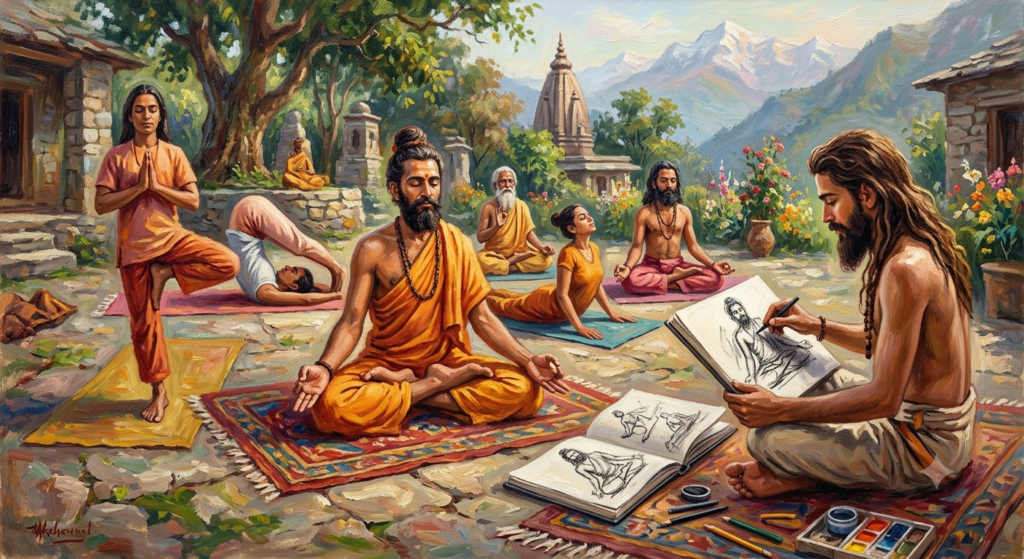
The body reacts to the emotions of the soul, and the soul feels the reactions of the body.
For example:
- Physical injury or wounds create a sense of distress that is felt deeply within.
- Emotional pain, such as a broken heart or receiving bad news, can make the heart feel heavy and slow its rhythm.
- Anger often causes the eyes to redden, while sadness brings tears.
In this way, whatever the body experiences, the soul feels, and whatever the soul experiences, the body reflects.
Historical Origins
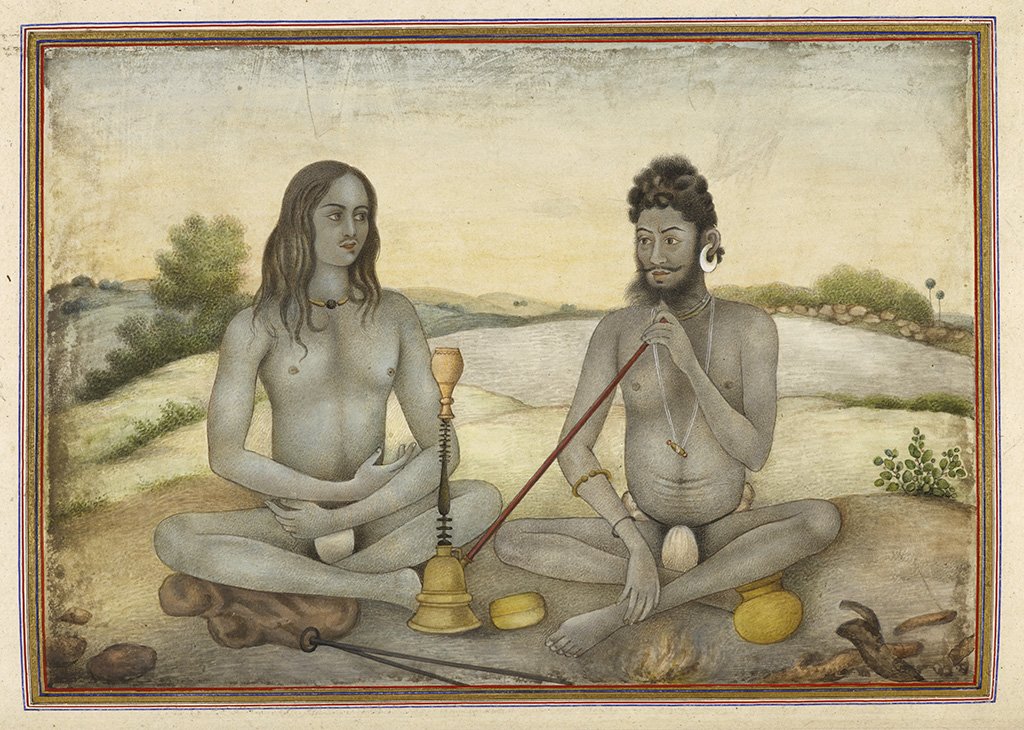
Around 200–400 BCE, Yoga was shaped by the insights of yogis and sadhus. During deep meditation, these practitioners experienced profound inner peace. As the soul settled into this state of calm, the body naturally responded through various postures (asanas) and hand gestures (mudras).
Observers and the yogis themselves began to study this connection carefully. Through their inner exploration, they developed a detailed understanding of the human system—including concepts such as the Ida, Pingala, and Sushumna nadis, as well as the seven chakras of Kundalini. Their direct experiences led them to document the relationships between body, soul, postures, and mudras, laying the foundation for the knowledge we have today.
The Core Concept of Yoga
The yogis observed that deep meditation produced peace in the soul, which then expressed itself through the body. They reasoned that the process could also work in reverse: by deliberately practicing postures and mudras, one could cultivate the same state of deep inner peace.
This insight—moving from outer practice to inner stillness—became the foundational inspiration for the system of Yoga that Patanjali later systematized.